
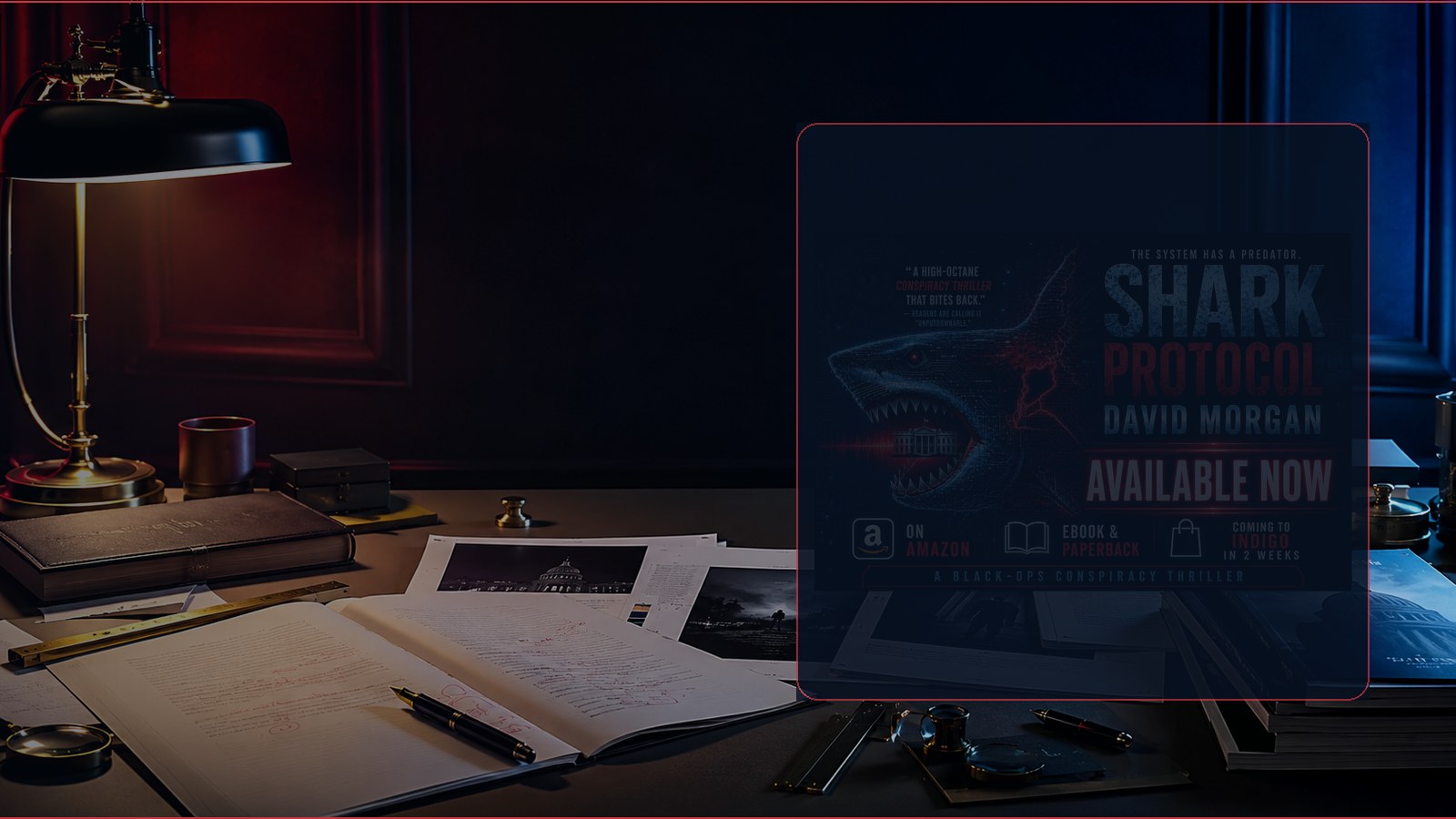
Featured StoryLaunch Diary
72 Hours After Launch: What the Numbers Don’t Tell You
The first sale happened. The first KU pages appeared. Three days in, the biggest lesson is that launch day is a starting line, not a verdict.
Read the story →
Sharp, thoughtful dispatches on books, game development, design decisions, launches, experiments, and the work behind the worlds.
A 15-part Shark Protocol writing-and-launch series plus 10 development journals charting the making of The Last Cartographer.
The first sale happened. The first KU pages appeared. Three days in, the biggest lesson is that launch day is a starting line, not a verdict.
Read the story →The first sale happened. The first KU pages appeared. Three days in, the biggest lesson is that launch day is a starting line, not a verdict.
Read story →
I am laying the renderer foundation for game-ready GLB characters, with humanoid rigs, in-place animation clips and a Godot 4.7 inspection workflow.
Read story →
My Kindle Unlimited dashboard registered 2 pages read. Not two thousand. Two. Naturally, I have begun planning the empire.
Read story →
The dashboard moved from zero to one. It is a tiny number and, somehow, one of the biggest numbers in the entire launch.
Read story →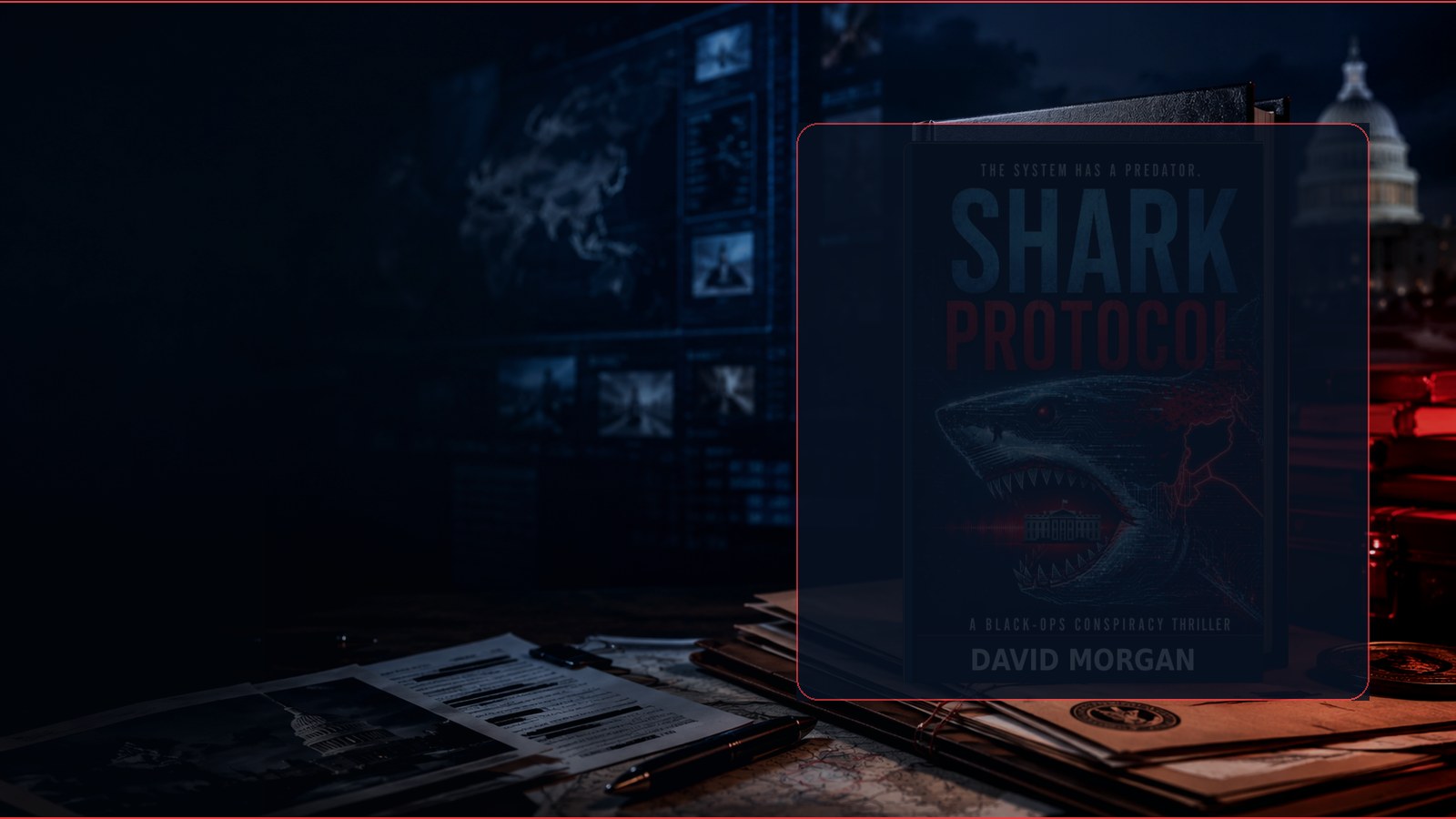
Launch day arrived. Shark Protocol is officially available in ebook and paperback, and the private writing project is now a public book.
Read story →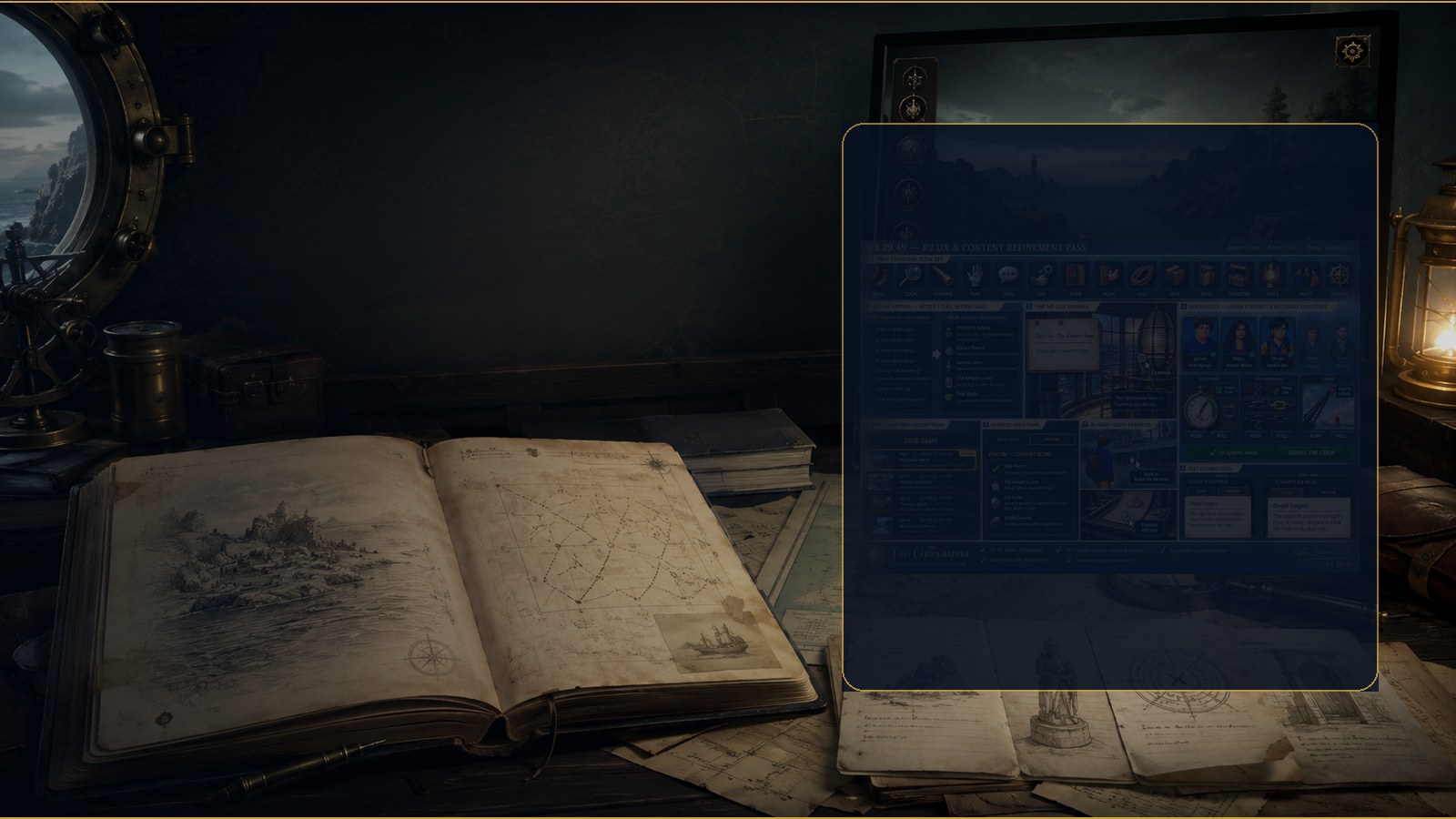
The project has grown from rooms and hotspots into a full adventure framework with conversations, journals, optional scoring, developer tools, accessibility and a growing character pipeline.
Read story →
The book was done. The files were uploaded. Naturally, this seemed like the perfect time to question absolutely everything.
Read story →
Puzzles, optional discoveries, humor, and meaningful interaction still have a place in modern adventure games.
Read story →
The engine upgrade was less exciting than a new puzzle, but it gave me a cleaner foundation for the renderer, tools and character work coming next.
Read story →
I want exploration to leave a trail, so the journal now ties together clues, optional discoveries, maps, reward stamps and Sierra-style secret scoring.
Read story →
Early readers gave Shark Protocol something no solitary revision pass could provide: fresh eyes, honest reactions, and valuable feedback before launch.
Read story →
Hotspots, NPC placement, walk paths, conversations and object boxes are becoming editable in-game because hand-editing everything was slowing development down.
Read story →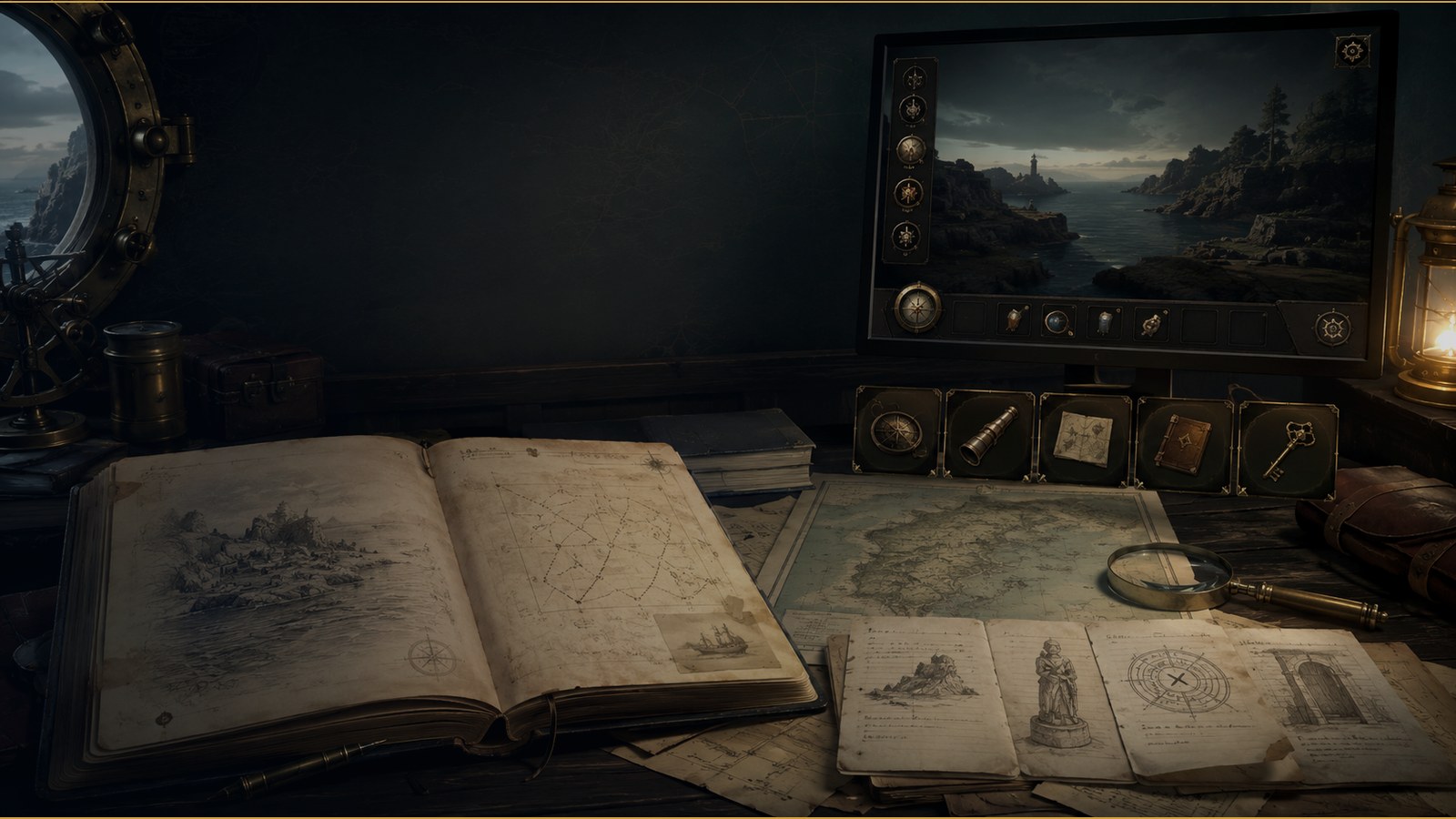
The dialogue system is growing from simple question lists into portraits, follow-ups, remembered topics and real branching conversations.
Read story →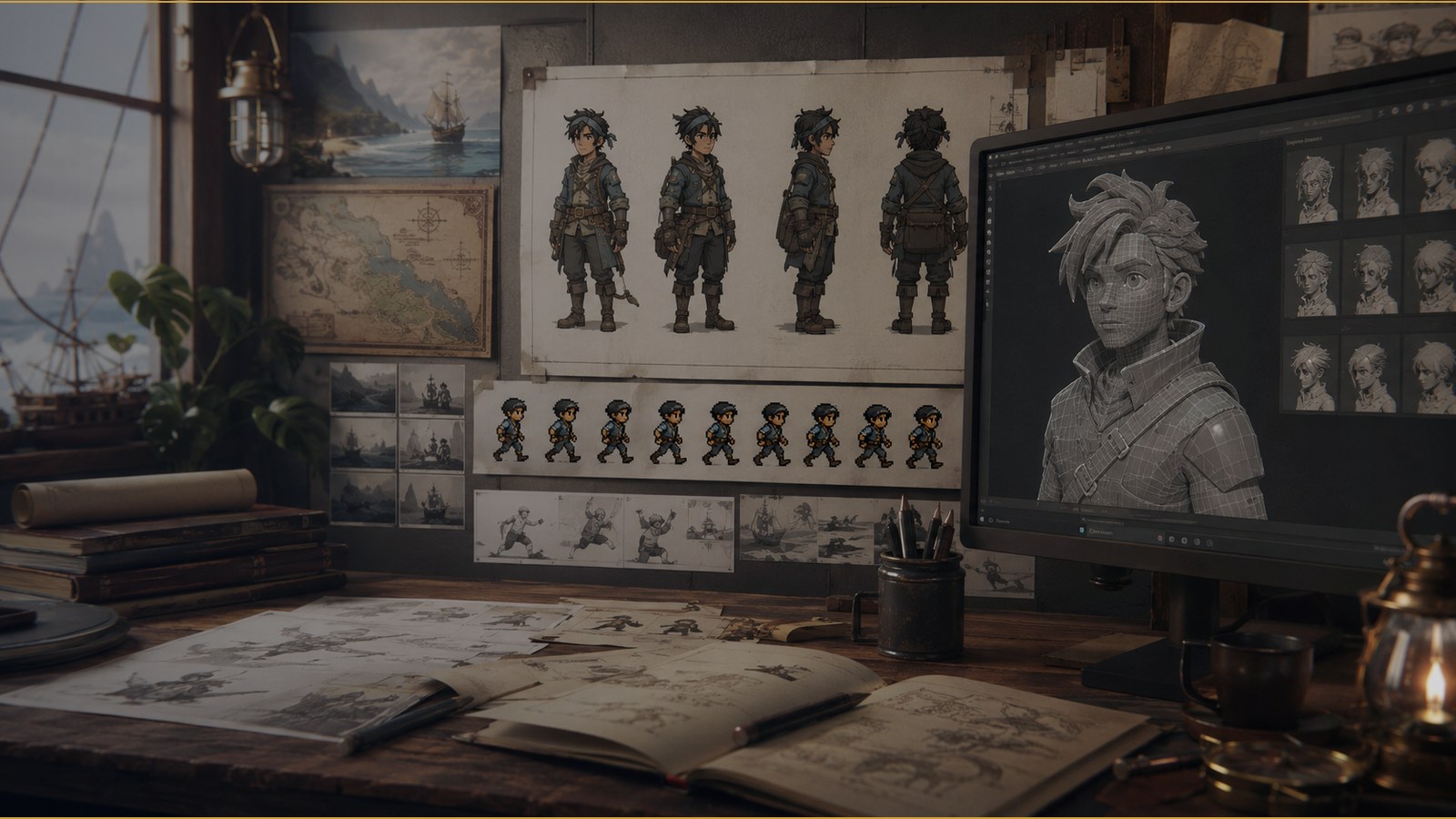
From the cemetery gate to Thomas’s desk and the underwater sequences, I am trying to make puzzles emerge from the world instead of feeling pasted onto it.
Read story →
The manuscript was finished, but the book was not. Then came margins, headers, scene breaks, chapter openings, widows, orphans, exports, proofs, and checking it all again.
Read story →
The old adventure games rewarded curiosity, experimentation, optional jokes and the occasional terrible idea. I want that spirit without the old frustrations.
Read story →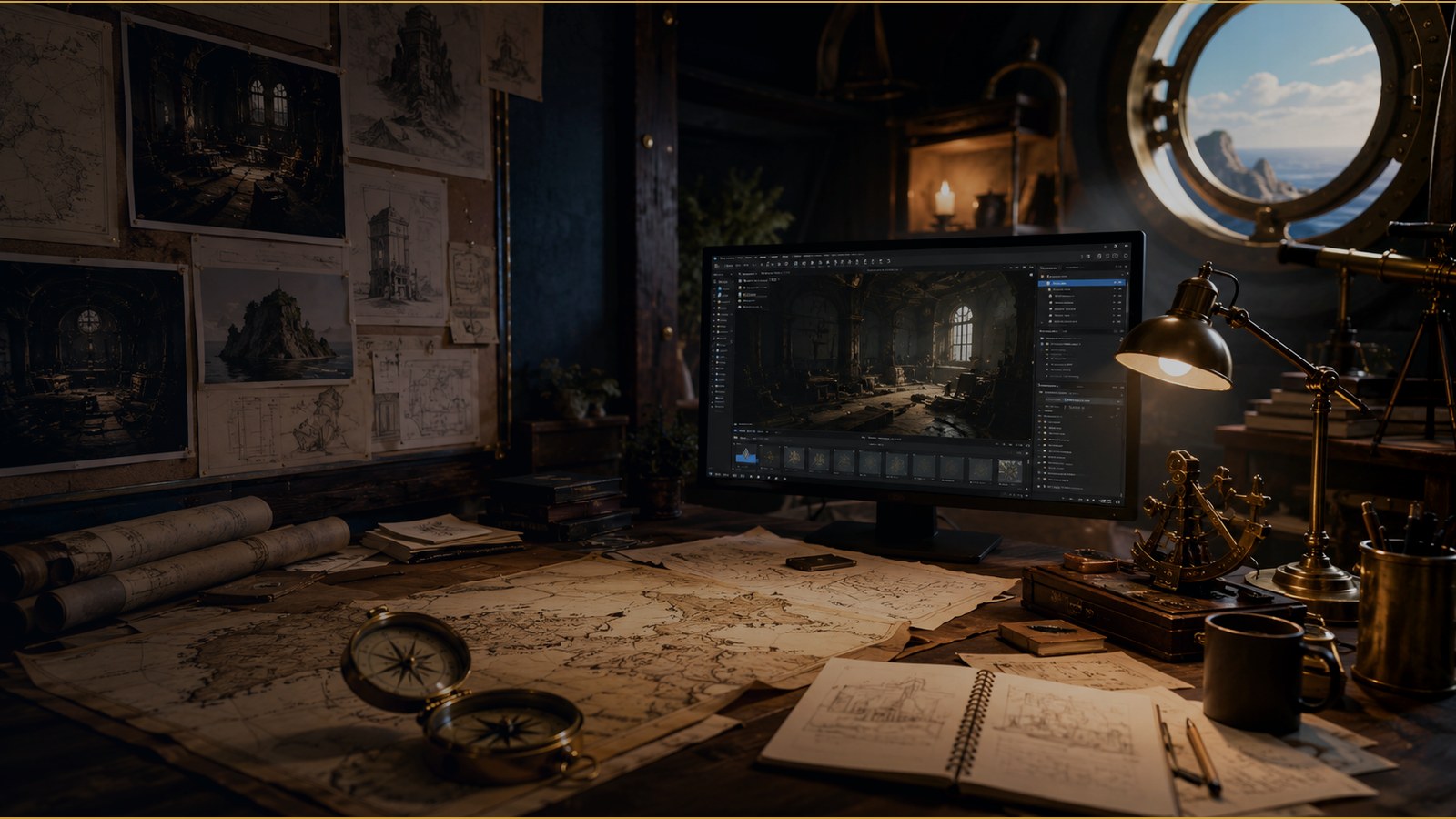
Adapting the world into an adventure game means preserving the mystery while giving players agency instead of simply replaying the novel.
Read story →
Sometimes the detail readers remember is not the weapon or the briefing. It is the terrible coffee, the strange object, or the human habit under pressure.
Read story →
More explosions were not the answer. The strongest revisions came from information gaps, time pressure, consequences, and impossible choices.
Read story →
The middle of a thriller cannot just be more danger. Every chapter has to change the reader’s understanding or the characters’ options.
Read story →
Finishing a thriller meant learning when to solve a problem immediately and when to leave myself a note and keep moving.
Read story →
Jake Rourke and Alex Sinclair needed different instincts, different risks, and different relationships with the truth.
Read story →
Research gave Shark Protocol texture, but the hardest part was knowing which facts belonged on the page and which belonged only in my notes.
Read story →
The challenge was making politics create pressure and danger without turning the novel into a lecture with car chases attached.
Read story →
Shark Protocol began with a question about power, secrecy, and what happens when a system decides a person is easier to erase than explain.
Read story →